Back to Projects

Unknown Environment
Drone Path Planning

Global planner implementation using Dijkstra algorithm for a quadrotor in PyBullet simulation, ensuring safe maneuverability and collision avoidance.

Python Dijkstra PyBullet
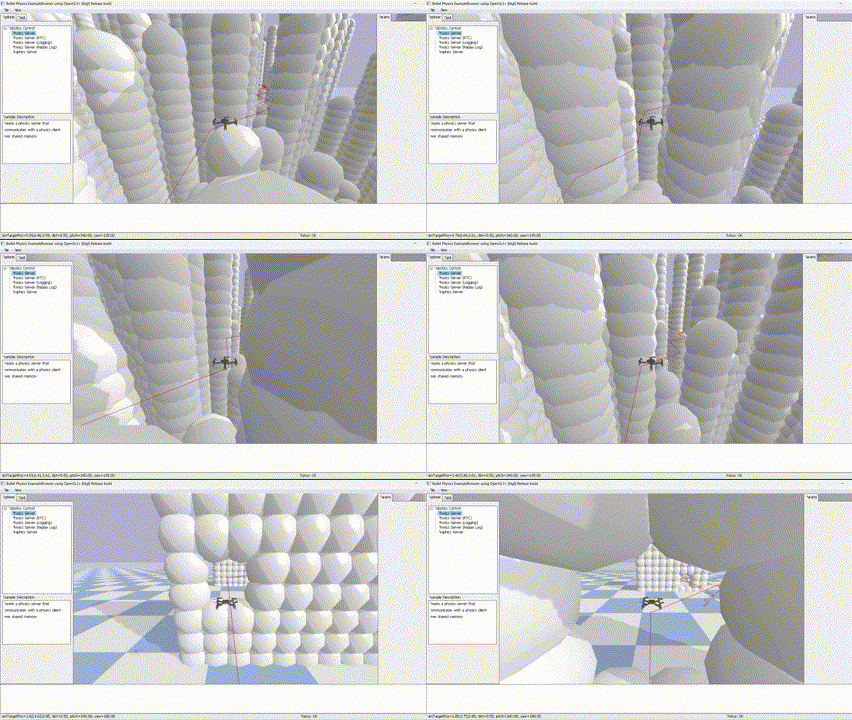
Drone Flight Simulation

01. The Concept

This project was developed for the "Planning and Decision Making" course in the Robotics Master at TU Delft. The primary objective was to engineer a robust global planner capable of guiding a quadrotor safely through diverse, obstacle-ridden environments within a physics-based simulation.

The core challenge involved implementing the Dijkstra algorithm from scratch and integrating it seamlessly into the PyBullet simulation environment to enable autonomous navigation in 3D space.

02. Technical Deep Dive

Smart Grid Generation

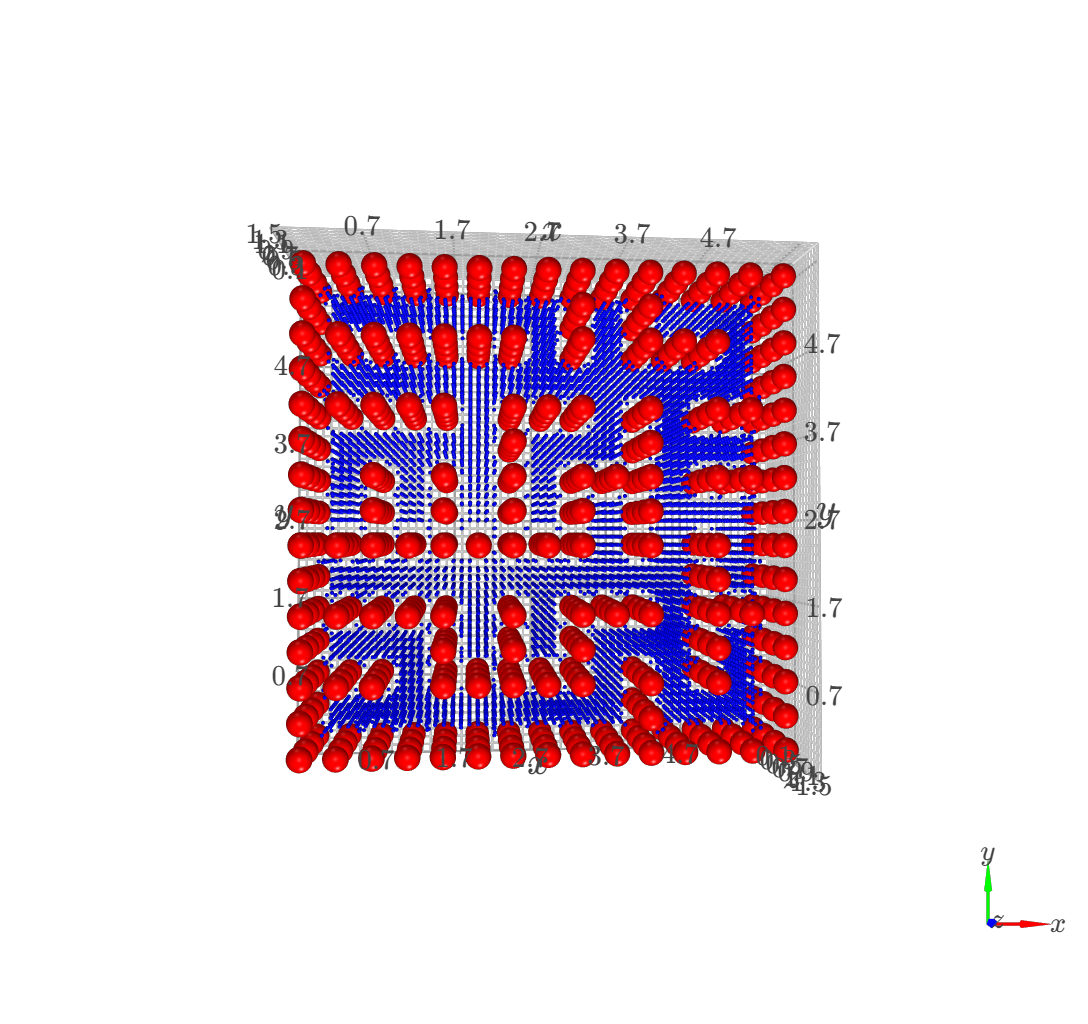
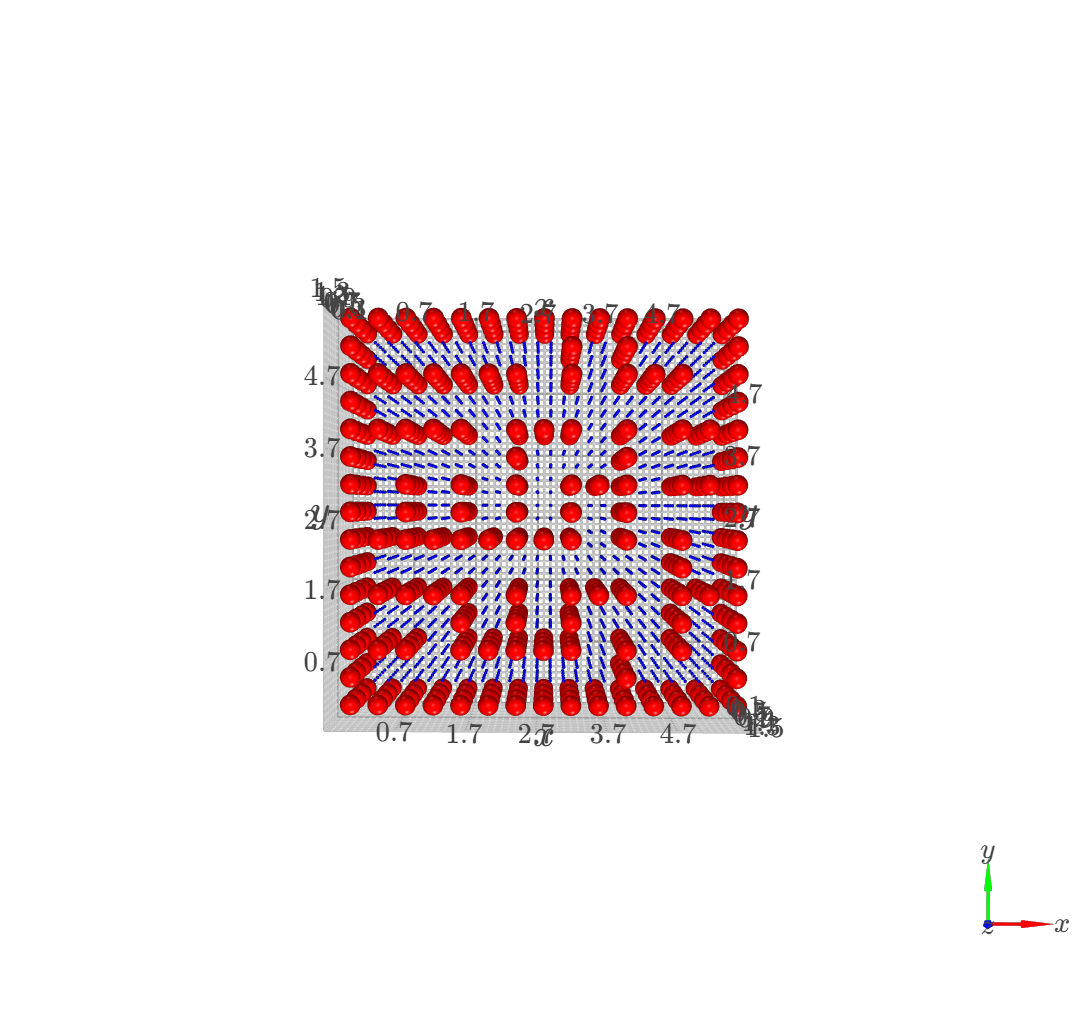
The foundation of the planner is a voxel-based grid system. The simulation space is discretized into nodes, where each node is validated against the environment boundaries and obstacle positions. This creates a navigable graph for the pathfinding algorithm.

grid_filter.py
def filter_grid(XYZ):
    indices_to_remove = []
    for i, point in enumerate(XYZ):
        # Check bounds
        if (X_BOUNDS[0] <= point[0] <= X_BOUNDS[1]) and \
           (Y_BOUNDS[0] <= point[1] <= Y_BOUNDS[1]) and \
           (Z_BOUNDS[0] <= point[2] <= Z_BOUNDS[1]):
            # Check collision
            if not euclideanDistance(point):
                indices_to_remove.append(i)
        else:
            indices_to_remove.append(i)

    return np.delete(XYZ, indices_to_remove, axis=0)
Fine Grid

High Resolution Grid (0.1 spacing)

Coarse Grid

Low Resolution Grid (0.2 spacing)

Project Status

Completion 100%
  • Successful global path planning in 3D
  • Collision-free navigation

Project Context

Institution Technical University of Delft (TU Delft)

Course Planning and Decision Making

Team Guillem Ribes